The Crochues-Bérard Traverse
A Complete Ski Touring Guide
A classic Chamonix ski tour linking the Aiguilles Rouges with the Vallée de Bérard — panoramic views of Mont Blanc, varied terrain, and a long descent to the village of Le Buet.
Shop Chamonix Prints →The Crochues-Bérard Traverse is a classic ski touring adventure in the Chamonix Valley — celebrated for its breathtaking scenery, varied terrain, and rewarding combination of uphill effort and long descent. The route links the dramatic Aiguilles Rouges with the tranquil Vallée de Bérard, passing through the heart of a protected nature reserve with unmatched views of the Mont Blanc massif throughout.
"The Crochues-Bérard encapsulates the best of Chamonix ski touring — unparalleled scenery, rewarding challenges, and a sense of the high mountains that piste skiing simply can't provide."
Why Ski This Route?
🏔 Alpine Variety
From high mountain cols with panoramic views to peaceful forested descents — the route covers a full range of alpine terrain in a single day.
💪 Manageable Effort
900m of ascent and 1,500m of descent — challenging but achievable for skiers with solid off-piste and touring experience. A full but not extreme day.
🌄 Iconic Setting
The entire route passes through the Aiguilles Rouges Nature Reserve, with constant views across to the Mont Blanc massif and surrounding peaks.
Best Time to Go
The traverse is best skied between late January and mid-April, depending on snow conditions. The season timing significantly affects both the snow quality and the safety of the route.
Skills & Experience Required
While not technically extreme, the Crochues-Bérard Traverse demands a solid foundation of ski touring and off-piste skills. This is not a route for beginners.
🎿 Off-Piste
Expect varied snow — powder, wind crust, spring snow. Confidence and adaptability across different conditions are essential.
🧗 Touring Basics
Confidence in skinning, transitions, and bootpacking. The Col de Bérard bootpack (~80m elevation) requires solid crampon technique.
💪 Fitness
Prepare for a 4–6 hour day with sustained uphill sections. This is a full mountain day — arrive in good physical condition.
Gear Checklist

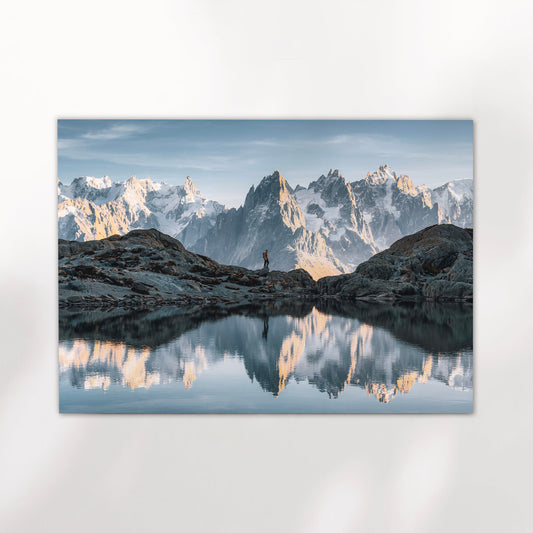
Aiguilles Rouges with Mont Blanc Beyond
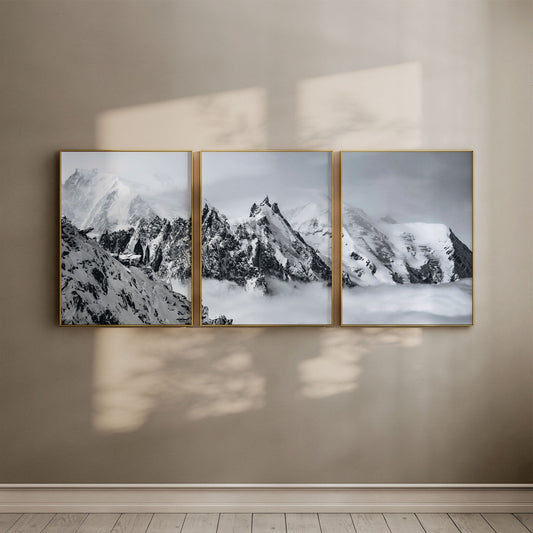
The view you'll be skiing into — the Aiguilles Rouges in the foreground, the full sweep of the Mont Blanc massif behind. This is the backdrop for the entire traverse, from the Col des Crochues to the descent into Bérard.
Route Overview — 5 Stages
The traverse combines a lift-assisted start, a 300m skin, a bootpack, and a long descent to the valley. Here's what to expect at each stage.
Start at Flégère — 2,385m
Lift-AssistedTake the Flégère cable car followed by the Index chairlift to reach your starting point at 2,385 metres. A short traverse from the top of the Index lift leads you to the base of the Col des Crochues. Start as early as the lifts open — position in the ascent queue significantly affects snow quality on the descent.
Ascent to Col des Crochues — 2,700m
Skin · 300m gainA steady 300-metre skin to the Col des Crochues — the most sustained uphill section of the day. Ski crampons may be necessary if conditions are icy. At the col, pause to take in panoramic views across the Mont Blanc massif before the traverse begins in earnest.
Traverse & Bootpack to Col de Bérard
Mixed · ~80m bootpackFrom the Col des Crochues, traverse across a slope to reach the base of the Col de Bérard. Here you'll transition from skins to crampons for a short but steep bootpack of roughly 80 metres of elevation gain. This section requires focused movement and good crampon technique — don't rush it.
Descent into Vallée de Bérard
Highlight · 1,500m descentThe descent is the highlight of the tour — a long, varied run that begins with open alpine terrain and transitions into tighter tree skiing as you approach the valley floor. Snow conditions can vary widely across this descent. Stay attentive to avalanche-prone slopes and read the terrain carefully as you move through each zone.
Finish at Le Buet
Return to ChamonixThe route concludes at the village of Le Buet — a celebratory drink at the local café is well deserved. Return to Chamonix by SNCF train or Chamonix Valley bus. Check the timetable before you leave in the morning so you're not waiting longer than necessary at the end of a long day.

The Reward of a Full Mountain Day
Skinning through untracked terrain with the massif ahead — the Crochues-Bérard is exactly this kind of day. Far from the piste, in conditions that only the early risers find, with a long descent waiting at the end.
Shop Chamonix Prints →Tips for a Successful Tour
- Start early. Aim to be on the first or second chairlift. Early starts preserve powder on south-facing sections, reduce rockfall risk, and ensure you have plenty of daylight for the descent.
- Check conditions the night before and again on the morning. Avalanche risk at level 3 or above — turn around. No tour is worth that risk.
- Hire a guide if in any doubt. The Compagnie des Guides de Chamonix offer guided tours at all experience levels. Their local knowledge is genuinely valuable, not just a safety formality.
- Bring a change of dry base layers for Le Buet, especially if you plan to wait for the train. After a 4–6 hour mountain day, dry clothes make a significant difference.
- Check the train or bus timetable from Le Buet before you leave Chamonix. Missing the last connection means a long wait in a cold village.

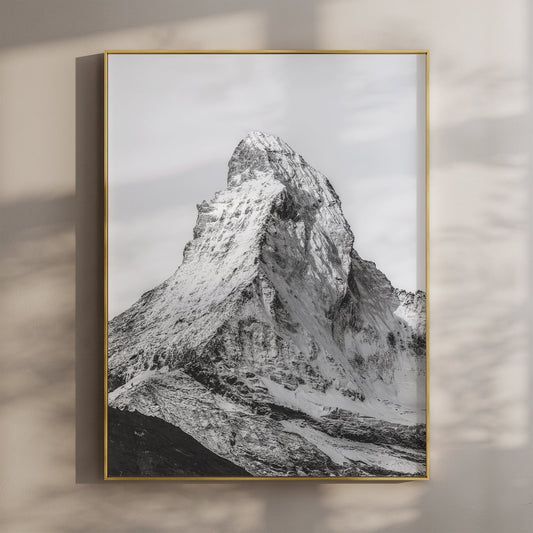
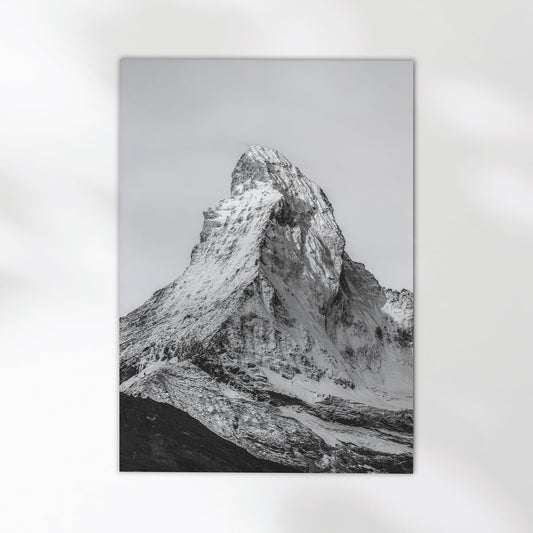
Grandes Jorasses — Black & White
One of the most imposing faces in the entire massif — visible from various points on the Crochues-Bérard traverse on a clear day. A print for anyone who knows what it means to stand in the shadow of these peaks.
View Print → All Chamonix Prints →Bring the Mountains Home
Fine art prints of the Chamonix Valley — from €22,75. Ships worldwide in 3–9 days.
Shop Chamonix Prints → @chamonixprints →