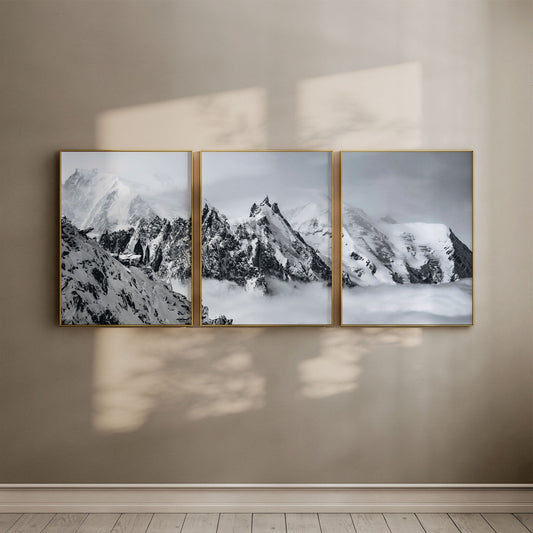
Skiing the Vallée Blanche
A Complete Guide
A 20-kilometre glacial descent from the Aiguille du Midi at 3,842 metres to the Mer de Glace below — one of the great ski adventures in the Alps. Everything you need to know before you go.
Shop Chamonix Prints →Nestled in the heart of the French Alps, the Vallée Blanche is one of the great ski adventures on earth. A 20-kilometre off-piste descent through a breathtaking glacial landscape, flanked by towering peaks and pristine snowfields — every descent is different, and none of them is forgettable.
"More than a physical challenge — it's an immersion into the raw beauty of the Alps. Every moment is unforgettable."
Why Ski the Vallée Blanche?
Skiing the Vallée Blanche is more than just a physical challenge — it's an immersion into the raw beauty of the Alps. Starting at the Aiguille du Midi (3,842 metres), the glacial route combines diverse terrain: expansive snowfields, steep pitches, and sections around crevasses, making every descent unique.
You'll ski beneath towering seracs, cross vast glaciers, and take in unparalleled views of the Mont Blanc massif throughout. For many skiers, this is the experience that defines a Chamonix trip — a perfect blend of adventure, technical skiing, and extraordinary scenery.
When to Go
The Vallée Blanche is skiable from late December to early May, depending on snow conditions. February and March are the ideal months — stable weather, deep snow cover, and fewer crowds than the peak holiday periods of Christmas and half-term.

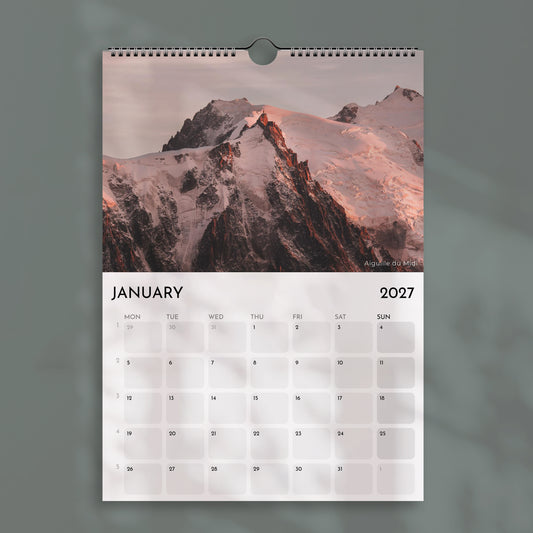
Aiguille du Midi — 3,842 metres
The adventure begins at the top of one of Europe's most dramatic cable car ascents. Arrive early — the first lift departs around 8:10 AM and queues build quickly, especially at weekends and during school holidays.
The Route — Step by Step
The descent is split into three distinct phases, each with its own character and demands. Here's what to expect.
The Lift Up: Aiguille du Midi Cable Car
Your adventure begins at the Aiguille du Midi cable car station in Chamonix town. The lift rises from 1,035 metres to 3,842 metres in two stages — one of the most dramatic cable car ascents in the world.
- Tickets: Book online or at the station. Often included in ski passes — confirm before you go.
- First lift: Departs around 8:10 AM. Arrive early, especially on weekends.
- Acclimatisation: Take a few minutes at the top station — the altitude (3,842m) can be dizzying, particularly for those not used to it.
The Arête: Your First Challenge
From the top station, you exit onto the arête — a narrow, icy ridge leading down to the glacier. This section is steep, exposed, and requires focus and care.
- Equipment: Guides often provide crampons and harnesses for safety on this section.
- Guided assistance: If skiing with a guide, you may be roped in for the descent of the arête.
- Take your time: Walk slowly, use the fixed ropes where available. The views here are extraordinary — the most dramatic panoramas of the entire route.
The Glacier Descent
Once on the glacier, the skiing begins in earnest. Your guide will choose a route based on current snow and crevasse conditions — several variants are possible, each with its own terrain and character.
- Ski beneath the towering seracs of the Géant Glacier
- Navigate around crevasses along the safest established lines
- Enjoy a mix of steep pitches, wide open snowfields, and long flowing turns
The descent covers roughly 20 kilometres and typically takes 4–6 hours depending on conditions, group pace, and the route taken.

20 Kilometres of the Most Beautiful Skiing in the Alps
Wide snowfields under towering peaks, the tracks of earlier skiers tracing lines across an otherwise untouched landscape. The Vallée Blanche is as much about what you see as what you ski.
Getting Back: Gondola & Train
The descent ends at the Mer de Glace — one of the largest glaciers in the Alps. From here, two stages bring you back to Chamonix town.
Gondola to Montenvers
A gondola connects the glacier to the Montenvers train station above — saving you the long ladder climb that was once required to reach the station. The ride offers good views of the surrounding icefalls and is a welcome rest after the long descent.
Montenvers Cogwheel Train to Chamonix
From Montenvers, the historic cogwheel train winds back down through alpine forest to Chamonix town. A scenic, unhurried return — ideal for reflecting on the day over the views of the valley below.

Montenvers Cogwheel Train — Back to Chamonix
The journey from glacier to town on the historic Montenvers train is as much a part of the experience as the skiing itself. It gives you time to reflect on the day — and everything you just skied through.
Essential Gear
The Vallée Blanche is glacial off-piste terrain. Standard piste equipment is not sufficient — bring the right gear or don't go.
Off-Piste Skis
With touring or freeride bindings for stability on variable glacier snow.
Layered Clothing
Thermal base layers, insulation mid-layer, waterproof shell. UV-protective goggles — the glacier reflects intensely.
Avalanche Transceiver
Worn and switched on — not packed away. All members of the group must carry one and know how to use it.
Shovel & Probe
Non-negotiable for any glacial off-piste terrain. Compact and lightweight — no excuse not to carry them.
Crampons & Harness
Strongly recommended for the arête. Your guide may provide these — confirm in advance.
Backpack Essentials
Water, snacks, sunscreen (SPF 50+), first-aid kit, fully charged phone with offline map.
Why Hire a Guide
The Vallée Blanche is unpatrolled glacial off-piste terrain. Hidden crevasses, variable snow conditions, and serious avalanche risk make it a genuine backcountry environment — not an extension of the piste system.
A qualified mountain guide provides expertise in navigating the safest routes, knowledge of current snow and weather conditions, and the ability to assist in technical sections like the arête and any crevasse rescue situation. They also bring the route to life — sharing the history of the glacier and the peaks around you. For both safety and experience, a guide is highly recommended.
Safety Tips for Glacier Skiing
The Vallée Blanche rewards well-prepared skiers and is genuinely dangerous for those who aren't. Follow these principles on the day.
- Know your avalanche gear — practise transceiver searches before the season, not on the glacier for the first time.
- Ski in a group — never ski the Vallée Blanche alone. Groups of 3–4 with a guide are the standard for a reason.
- Check conditions that morning — avalanche bulletins, weather forecast, and guide advice. Conditions that looked fine the night before can change overnight.
- Stay on established lines — crevasses are not always visible on the surface. Your guide's route is the safe route.
- Respect the environment — the Mer de Glace is one of the most significant glaciers in the Alps and is retreating rapidly. Take only photographs, leave nothing behind.

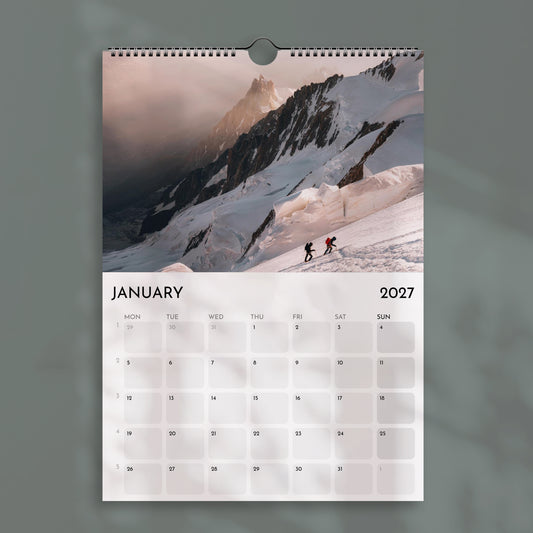
Mountaineers on the Aiguille du Midi Arête
The exact ridge you'll cross at the start of the Vallée Blanche — captured in early morning light. A print that means something specific to everyone who has made this descent.
View Print → All Chamonix Prints →Bring a Piece of the Vallée Blanche Home
Fine art prints of the Aiguille du Midi, Mer de Glace, and the wider Mont Blanc massif — from €22,75, ships worldwide in 3–9 days.
Shop Chamonix Prints → @chamonixprints →